The Ultimate Guide to Secondary Glazing in London: Planning, Costs, and Heritage Solutions
Living in London is a dream for many, but for those of us residing in the city's iconic Victorian, Georgian, or Edwardian homes, that dream can sometimes come with a side of rattling window panes, street noise, and eye-watering heating bills.
If you own a heritage property in the capital, you've likely faced the classic dilemma: you love your original sash windows, but you're tired of wearing three jumpers indoors during February. This is where secondary glazing steps in as the ultimate "secret weapon" for London homeowners. In this guide, we're going to break down everything you need to know about secondary glazing in London: from navigating tricky planning departments in Westminster to understanding how much it's actually going to cost you.
Deep Dive Guides in This Series
Why London Homes and Secondary Glazing are a Perfect Match
London's architectural DNA is built on period properties. From the grand stucco-fronted houses of Kensington to the red-brick terraces of Fulham, our city is defined by its history. However, those beautiful original windows were never designed for the 21st century.
Most heritage homes in London feature single-glazed timber sash windows. While they look stunning, they are notorious for:
- Heat Loss: They have the thermal efficiency of a fly screen.
- Noise Pollution: If a bus idles outside your house in Islington, you might as well be sitting on the top deck.
- Draughts: Cold air whistles through the gaps, making your living room feel like a wind tunnel.
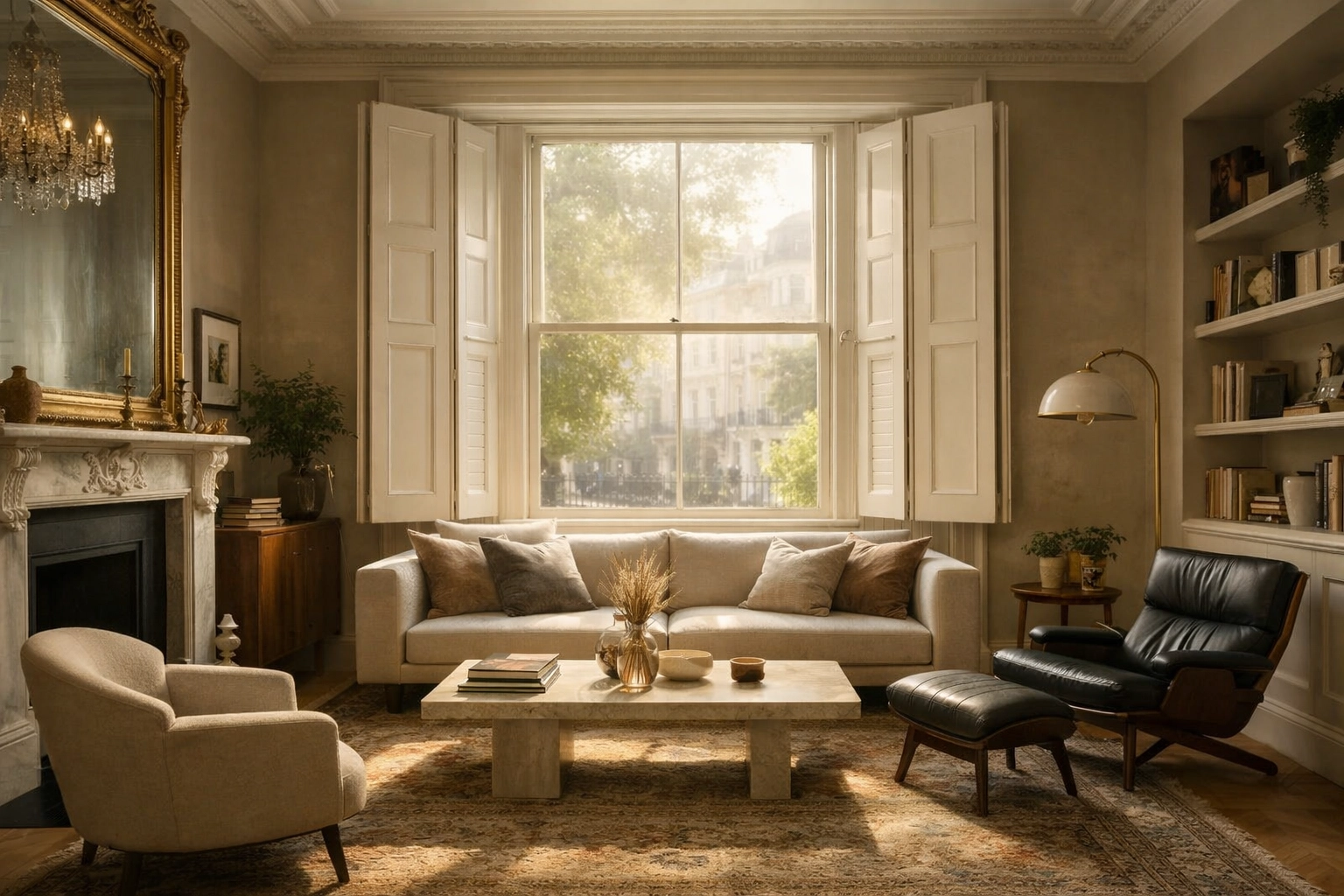
Because many of these buildings are Grade I or Grade II listed, or sit within strict Conservation Areas, replacing the windows with modern double glazing is often legally impossible (and, frankly, a bit of a shame for the building's character). Secondary glazing allows you to keep the history while adding a high-performance internal barrier that solves these modern problems.
Navigating Planning Permission in London Boroughs
One of the most common questions we get from Londoners is: "Do I need planning permission for this?"
The short answer is usually no, but there are nuances depending on where you live. Because secondary glazing is an internal addition and doesn't involve altering the external fabric of the building, it is generally considered "permitted development."
However, if you are in a particularly strict borough like Westminster, Camden, or Kensington & Chelsea, the rules for Grade I and Grade II* buildings can be a bit more sensitive. These councils are very protective of original window "reveals" and internal shutters.
Before you start your project, it is always worth checking our detailed guide on Planning Permission for Secondary Glazing to see how your specific borough might view the installation. If you're dealing with a heritage home, our guide to secondary glazing for listed buildings is also a must-read. We also have a dedicated deep dive: Planning Permission for Secondary Glazing: The No-Nonsense Guide. In 99% of cases, as long as the secondary unit is discreet and matches the lines of your original window, it's a green light.
The Sound of Silence: Tackling London's Noise Pollution
If you live near a busy A-road, a train line, or just a particularly lively pub in Hackney, noise is likely your biggest frustration. Standard double glazing is okay, but it often struggles with low-frequency sounds like rumbling bus engines.
Secondary glazing is actually better at soundproofing than double glazing. Why? Because of the air gap. By leaving a significant space (usually 100mm to 150mm) between your original window and the secondary unit, you create a "buffer zone" that traps sound waves.
For those living on truly noisy streets, we recommend upgrading to 10.8mm acoustic laminate glass. This specialist glass uses a PVB interlayer that specifically targets and dampens sound vibrations. When combined with a proper air gap, you can achieve a noise reduction of up to 80%. We call this phenomenon The Sound of Silence, and it can transform a stressful London bedroom into a peaceful sanctuary. If you want the full method, read our guide on soundproof secondary glazing.

Thermal Efficiency: Say Goodbye to London Draughts
We all know London winters aren't exactly Arctic, but the damp, biting wind coming off the Thames has a way of finding every single gap in an old sash window.
Installing secondary glazing effectively creates a sealed envelope around your window. This stops the draughts instantly, but the real magic happens with the U-Values. A U-Value measures how much heat escapes through a window: the lower the number, the better the insulation. By adding a secondary pane with a Low-E (low emissivity) coating, you can reduce heat loss by over 60%. If you want to get into the nitty-gritty of how we measure this, check out our post on U-Values Unpacked. For the average London flat, this doesn't just mean a warmer home; it means significant savings on your energy bills.
Style-Specific Solutions: From Sash to Crittall
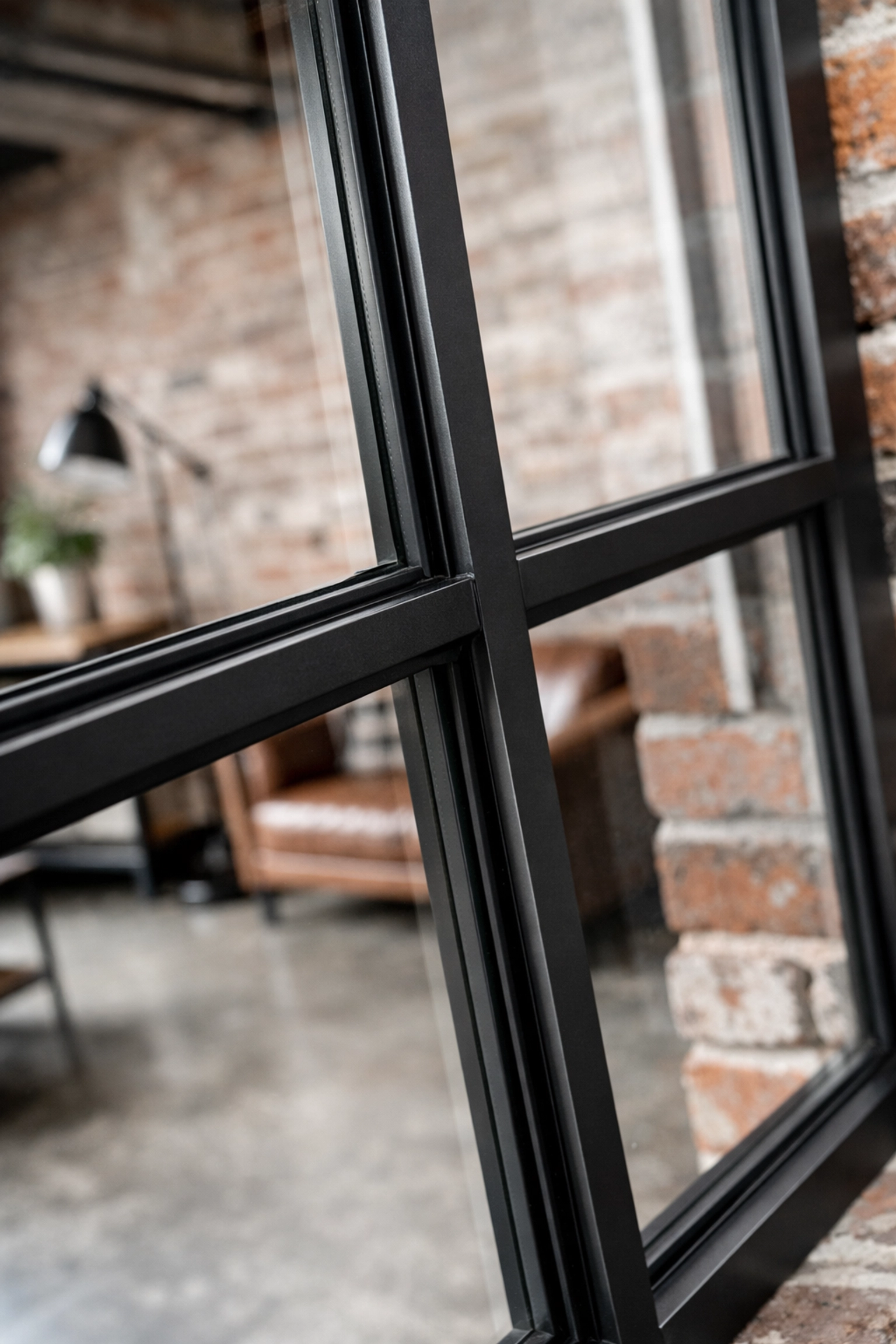
Not all London windows are timber sashes. Many properties, particularly Art Deco blocks in Marylebone or industrial conversions in Shoreditch, feature beautiful steel-framed Crittall windows.
Secondary glazing isn't a "one size fits all" product. It needs to be bespoke to work properly.
- Vertical Sliders: These are designed to mirror the movement of your original sash windows, so you can still open them for ventilation easily.
- Hinged Units: Perfect for large casement windows or where you need full access to the original glass for cleaning.
- Fixed Units: Ideal for smaller windows where you don't need ventilation but want maximum insulation.
For those with industrial-style steel frames, we have a specialized approach. Take a look at our guide to secondary glazing for Crittall windows to see how we maintain that slim, minimalist aesthetic while boosting performance.
What Does Secondary Glazing Cost in London?
Budget is always a factor, especially when you're already paying London property prices. The good news is that secondary glazing is significantly more cost-effective than full window replacement. For a deeper breakdown (with real London examples), see our full guide to secondary glazing prices — or read our cluster article: Secondary Glazing Prices 2026: The Complete London Cost Guide. And if you want a quick, ballpark figure for your own windows, try our secondary glazing cost calculator.
Typically, you can expect to pay anywhere between £500 and £1,600 per window including professional installation, depending on a few variables:
- Size: Larger windows require more materials and often more than one installer.
- Glass Type: Standard 4mm glass is the most affordable, while the 10.8mm acoustic laminate we mentioned earlier is a premium option.
- Functionality: A fixed panel is cheaper than a vertical slider that needs complex spring balances.
While these are general estimates, we have a more detailed breakdown for those specifically looking at traditional window types in our guide to Sash Window Costs. Generally speaking, secondary glazing is about half the price of a high-quality timber double-glazing replacement, and it adds just as much value to your home's comfort.
Choosing the Right London Installer
When you're looking for secondary glazing installers in London, experience with heritage properties is the most important factor. You don't want a "fit and forget" company that uses chunky plastic frames that ruin the look of your Georgian shutters.
A specialist installer will:
- Conduct a laser-accurate survey to ensure the frames sit perfectly in the reveal.
- Advise on the best glass thickness for your specific noise issues.
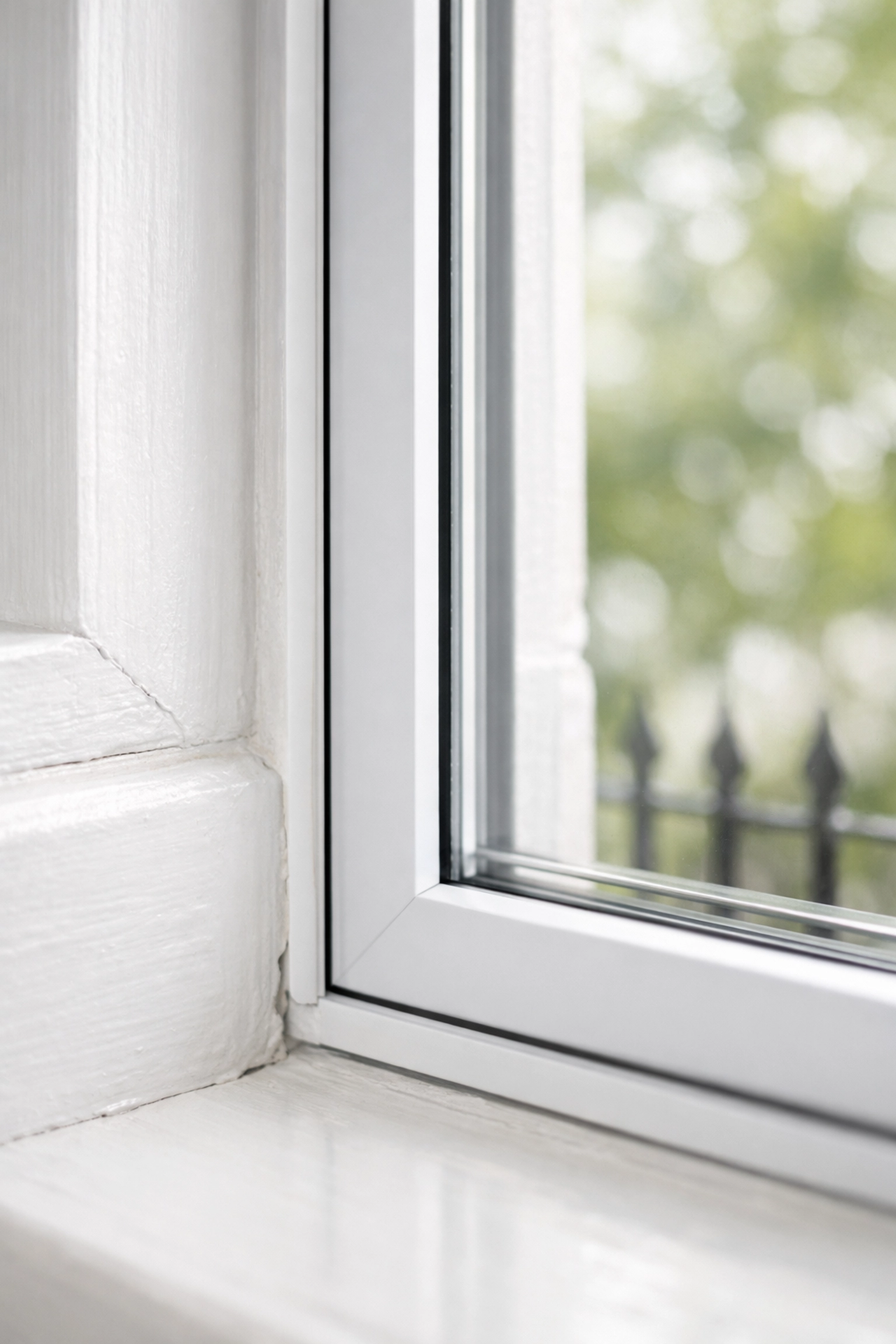
- Ensure the installation is discreet, often using color-matched aluminum frames that disappear against your existing woodwork.
Final Thoughts
Secondary glazing isn't just a home improvement; for many Londoners, it's a quality-of-life upgrade. Whether you're trying to block out the sounds of the city, cut down on your heating bills, or satisfy the conservation officer at your local council, it's a solution that ticks every box.
If you're ready to stop the draughts and start enjoying some peace and quiet, why not take the next step? Visit Secondary Glazing Specialist to get advice, book a survey, and see the best option for your home. Your historic London home deserves to be as comfortable as it is beautiful.
Continue Reading This Series
Secondary Glazing Prices 2026
The complete London cost guide with real price breakdowns for Victorian sash windows and bay windows.
Read guidePlanning Permission Guide
No-nonsense guide to planning rules for listed buildings, conservation areas, and London boroughs.
Read guideListed Buildings Guide
Heritage-approved advice for Grade I and II properties covering planning, heat loss, and noise reduction.
Read guide